

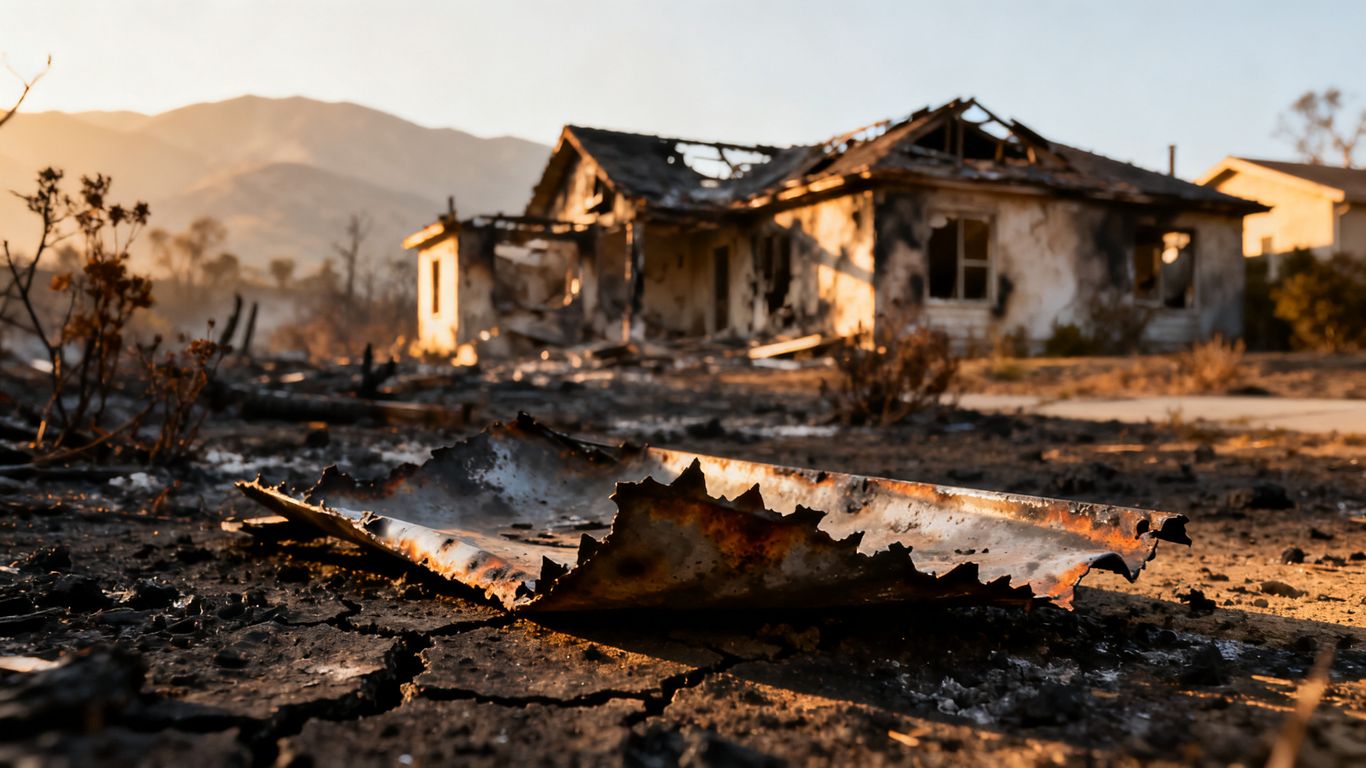
Determining legal accountability following a catastrophic fire requires a careful evaluation of duty, breach, and causation. When a wildfire spreads across state or private lines, multiple parties might share responsibility depending on their specific actions or failures to maintain safety. Parties often face a significant legal burden when seeking to establish that a defendant’s conduct directly led to the ignition or escalation of the blaze.
The concept of negligence in fire origin cases
Negligence in fire matters centers on whether an entity or individual failed to act with the reasonable care expected under similar circumstances. If a party creates a foreseeable risk through inaction, such as failing to clear dry brush, they may be held answerable for resulting damages. Courts examine if a reasonable person would have recognized the fire risk.
Demonstrating proximate cause for damages
Proximate cause requires a direct and unbroken link between the negligent act and the fire’s spread. It is not enough to show that a party was careless; one must prove their specific failure was a substantial factor in causing the harm. This often requires complex evidence connecting a localized fire source to the ultimate destruction of property.
Applicable state laws and liability standards
Liability frameworks vary by jurisdiction, often hinging on whether the state applies strict liability or comparative negligence. While some states hold entities strictly liable regardless of fault if they cause a fire, others require proof of intent or gross negligence. Understanding these local statutes is vital for those pursuing compensation.
Investigating utility company responsibility
Utility infrastructure is frequently identified as a point of origin for major wildfires, particularly when lines or equipment fail during high-wind events. The discovery phase often prioritizes utility maintenance records and operational history to determine if safety standards were ignored. Singleton Schreiber provides the legal bandwidth to challenge major energy providers through rigorous litigation.
Improper maintenance of power lines and equipment
Power lines that are poorly insulated or improperly installed can arc during extreme weather, triggering an immediate fire. When companies fail to perform routine hardware inspections, aging components like crossarms or insulators can snap and drop energized lines into dry vegetation. The failure to modernize these systems often serves as the primary basis for litigation claims.
Vegetation management failures near electrical lines
Utility companies are generally obligated to clear debris and trim limbs within a specific radius of their equipment to prevent contact. When trees are allowed to grow into transmission corridors, they become fuel for sparks during gusts of wind. Prosecutors and plaintiffs look for gaps in the required vegetation management schedules as evidence of organizational negligence.
Prior knowledge of hazardous conditions
Internal emails or maintenance reports sometimes reveal that a utility company knew specific infrastructure was aging or dangerous long before a fire occurred. Claiming ignorance is often ineffective if plaintiffs can demonstrate that the provider possessed documented warnings about system vulnerabilities. Evidence of disregard for these warnings can substantiate punitive damages.
Assessing liability of private landowners and businesses
Private entities also bear responsibility when their onsite operations trigger a disaster that crosses property boundaries. Whether through dangerous equipment use or failure to clean up combustible waste, landowners must manage the hazards within their control. Businesses often look to business litigation resources to understand these obligations during recovery efforts.
Negligent controlled burns that go out of control
Controlled burns are useful for clearing land but carry inherent dangers when managed without proper oversight or safety buffers. If an individual sets a fire on a day with high-wind forecasts or fails to maintain an adequate fire crew, they may be financially responsible for the spread onto neighboring properties. Litigation often focuses on whether the state-issued permit conditions were strictly followed during the burn.
Storage of hazardous or flammable materials
Improper storage of chemicals or propellant on commercial land can dramatically increase the intensity of a fire. If a building lacks basic fire suppression tools for these materials, it poses a direct threat to the surrounding community. Such failures involve specific regulatory breaches:
- Inadequate ventilation of volatile chemical storage rooms.
- Neglect of containment berms for liquid fuels.
- Failure to display mandatory safety warning signage.
- Lack of fire suppression systems for chemical inventory.
These safety deficits provide clear evidence of negligence when a fire originates within a storage facility. By failing to isolate these materials from ignition sources, a business demonstrates a disregard for standard industry safety protocols.
Failure to mitigate fire risks on commercial property
Commercial property owners must perform basic site assessments to remove common ignition pathways near building perimeters. This includes clearing offsite foliage, ensuring that external smoking areas are contained, and keeping trash away from structural walls. Persistent failure to address these hazards can transform a small accidental spark into a complex multi-property lawsuit.
Holding government agencies accountable
Suing a government agency presents unique challenges due to regulatory protections that often limit victim recovery. Despite these hurdles, Edelson PC has demonstrated that holding public bodies accountable for systemic failures is possible under specific legal conditions. Victims often investigate whether agency decisions were reckless rather than merely discretionary.
Flaws in forest management and fuel reduction projects
Forest management agencies are often tasked with manual thinning and controlled burning to keep fuels at manageable levels. When these projects are abandoned or poorly planned, overly dense forests increase the intensity of any ignition. Plaintiffs may argue that the agency’s failure to maintain basic fuel breaks constitutes a breach of its public safety mandate.
Emergency response failures and containment delays
Criticism often arises when emergency responders delay an initial attack on a small fire, allowing it to escalate. When containment is stalled due to bureaucratic miscommunication or lack of coordination, victims may question federal emergency response protocols. Investigating logs from dispatch centers can uncover whether critical minutes were lost due to administrative errors.
Navigating sovereign immunity and regulatory hurdles
Sovereign immunity frequently protects government officials from lawsuits, meaning that victims must prove their claims are not barred by specific statutory exemptions. Legal teams must find clear evidence of gross negligence or operational failures that fall outside the protections typically offered to public employees. Navigating these complexities necessitates a deep understanding of administrative law and government liability standards.
The role of expert witnesses and forensic evidence
Experts play an essential role in translating technical data into a clear story for the court. Without these specialists, establishing the exact origin of a complex burn pattern would be impossible. Their testimony is often the final piece of the puzzle for a successful claim.
Use of fire origin and cause investigators
Origin and cause investigators conduct field work to identify specific ignition points, often by analyzing burn patterns on charred structures. These experts look for directional indicators in how the fire moved across the landscape to distinguish an accidental start from a malicious one. Their findings provide the foundation for identifying which party’s equipment or property ignited the blaze.
Meteorological analysis of wind and weather conditions
Weather experts reconstruct the wind speeds, humidity levels, and temperature patterns present at the time of ignition. By layering this data over physical evidence, they clarify how the blaze moved in specific directions. This analysis helps demonstrate that an ignition by a defendant was the sole driver of the later property destruction.
Digital data from smart meters and utility logs
Digital evidence from smart meters and network logs can confirm the exact timestamp of an equipment failure. These logs provide concrete data on electrical surges or outages that correlate with witness accounts of seeing a spark. This information is typically objective and leaves little room for defensive arguments about when or where a failure occurred.
Documenting personal injury and property loss
Comprehensive documentation is the first priority after a fire event to ensure that all financial impacts are accounted for in the claim. This includes photographing property destruction and retaining receipts for evacuation expenses like temporary lodging or food. Maintaining a detailed log of communication with insurance adjusters can prevent potential disputes later.
Understanding the statute of limitations for claims
Every jurisdiction has a rigid window for filing a lawsuit, and missing this deadline typically results in a permanent loss of the right to claim. If you are filing a wildfire lawsuit in a state like California, you must be aware of the two-year deadline. Proactive legal consultation is the only way to ensure your case satisfies these timing requirements.
Working with specialized legal counsel for fire damage
Wildfire litigation involves unique technical and regulatory knowledge that general practice firms may not possess. Working with lawyers who specialize in fire causes allows victims to match the resources of large utility companies. These experts understand how to quantify intangible losses such as emotional distress and future property degradation, ensuring full and fair recovery for the victims involved.