

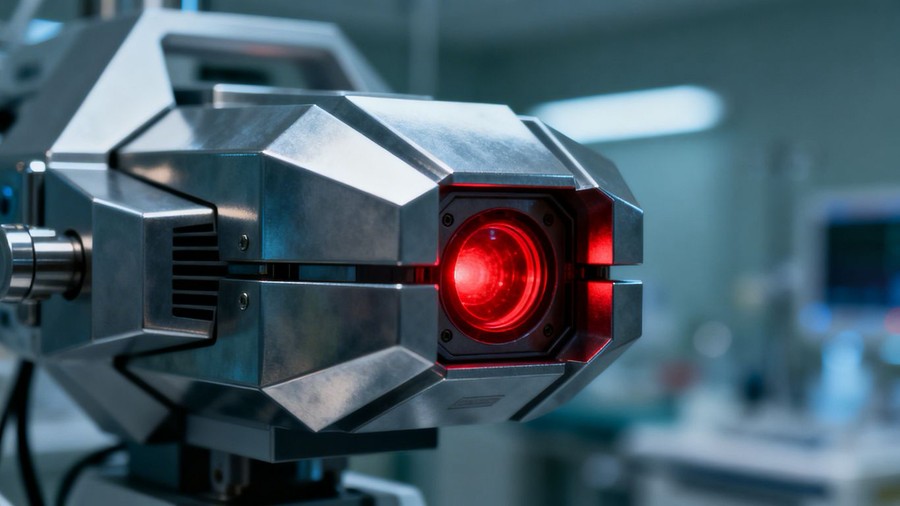
When a medical device meant to help a patient ends up causing harm, it can lead to serious health problems and significant financial strain. These devices, ranging from implants to diagnostic tools, are relied upon for treatment and recovery. However, defects can occur, turning a source of hope into a cause of injury. Understanding the nature of these claims is the first step toward seeking justice.
The Devastating Impact of Faulty Medical Devices
Faulty medical devices can have life-altering consequences. Patients often undergo procedures with the expectation of improved health, only to face unexpected complications. These can include:
- Severe infections
- Organ damage
- Internal bleeding
- Chronic pain
- The need for additional surgeries
The physical toll is often accompanied by emotional distress and a diminished quality of life. The financial burden, including medical bills and lost income, can be overwhelming. If you or a loved one has suffered due to a defective medical device, you may be eligible to file a claim against the medical manufacturer.
Types of Medical Devices Prone to Defects
Defects can manifest in a wide array of medical products. Some common categories include:
- Implantable Devices: Such as hip and knee replacements, pacemakers, defibrillators, and breast implants. Malfunctions can lead to pain, mobility issues, and the need for revision surgeries.
- Surgical Tools: Improperly manufactured or designed instruments can cause injury during procedures.
- Diagnostic Equipment: Inaccurate readings from devices like MRI or ultrasound machines can lead to misdiagnosis or delayed treatment.
- External Devices: Items like insulin pumps or catheters can also malfunction, causing harm.
Navigating the Complexities of Medical Manufacturer Litigation
Cases involving defective medical devices are often intricate. They may involve multiple parties and require a deep dive into technical specifications and scientific evidence. The legal process can be challenging, especially when dealing with large corporations. Proving that a device was defective and directly caused harm is key. These claims often fall under product liability law, where the focus is on the product itself rather than the conduct of the manufacturer, though marketing and design issues are also considered. Successfully pursuing these claims typically requires the assistance of legal professionals experienced in this specific area of law.
Identifying the Root Causes of Device Failure
When a medical device causes harm, it’s rarely a random event. Instead, the failure typically stems from specific issues that arise during the device’s lifecycle. Understanding these root causes is the first step in determining who might be responsible and how to pursue a claim. These problems generally fall into three main categories:
Design Defects: Inherent Dangers in Medical Innovations
A design defect means the device itself was flawed from the very beginning, even if it was manufactured perfectly according to its plans. This type of defect is built into the product’s blueprint. It suggests that the device, as conceived, was unreasonably dangerous for its intended use. This inherent flaw means that no matter how carefully the device is manufactured, it will always carry a risk of causing harm. For example, a particular type of artificial joint might be designed with a material that is known to break down prematurely within the human body, or a surgical tool might have a sharp edge that wasn’t intended and could easily damage surrounding tissue. Identifying a design defect often requires comparing the product’s design to safer alternatives that were available or feasible at the time of its creation. It points to a fundamental problem with the concept of the device itself, making it unsafe for patients who rely on it for their health. Defective medical devices pose significant risks.
Manufacturing Errors: Deviations from Intended Specifications
Manufacturing defects occur when a device deviates from its intended design during the production process. While the design itself might be sound, an error in how the device was actually made leads to its failure. This could involve using the wrong materials, improper assembly, contamination during production, or a failure to meet quality control standards. Unlike design defects, a manufacturing error might affect only a specific batch of devices or even a single unit. For instance, a batch of pacemakers might have a faulty wire due to an error in the soldering process, or a batch of surgical mesh might be contaminated with bacteria. These errors are essentially mistakes that happen on the factory floor, turning an otherwise safe design into a dangerous product. Proving a manufacturing defect often involves examining production records, quality control logs, and comparing the specific device in question to the manufacturer’s own specifications.
Marketing Defects: Inadequate Warnings and Instructions
Marketing defects, also known as failure-to-warn defects, arise when a manufacturer fails to provide adequate instructions or warnings about the risks associated with a product’s use. Even if a device is designed and manufactured correctly, it can still be dangerous if users (both healthcare professionals and patients) are not properly informed about potential dangers or how to use it safely. This can include:
- Failing to warn about known side effects or complications.
- Providing unclear or insufficient instructions for proper use.
- Misrepresenting the device’s capabilities or safety.
- Not informing users about necessary maintenance or follow-up care.
For example, a manufacturer might not adequately warn doctors about the risk of a particular implant loosening over time, or they might provide instructions that are too vague for a nurse to administer a medication correctly. These omissions can lead to improper use, unexpected complications, and patient harm, even when the device itself is technically sound.
Pursuing Legal Recourse for Device-Related Injuries
When a medical device fails and causes harm, individuals have legal avenues to seek justice and compensation. These situations typically fall under the umbrella of product liability law. The core of these claims rests on proving that the device itself was defective and that this defect directly led to the patient’s injury. This isn’t about medical malpractice in the traditional sense, where a healthcare provider’s error is the focus. Instead, the attention is on the product and the party responsible for its creation and distribution.
There are several key steps and principles involved in pursuing such claims:
- Filing a Product Liability Claim: This is the formal legal process initiated to hold a manufacturer or seller accountable for a faulty product. It involves gathering evidence, documenting the harm, and presenting a case to the court.
- The Principle of Strict Liability: In many jurisdictions, product liability cases involving defective medical devices operate under the principle of strict liability. This means that a plaintiff does not necessarily need to prove that the manufacturer was negligent or careless. Instead, the focus is on whether the product was defective when it left the manufacturer’s control and whether that defect caused injury. If these conditions are met, the manufacturer can be held liable.
- Proving Causation: A critical element in any claim is establishing a clear link between the device’s defect and the patient’s injury. This requires demonstrating that the defect was the direct cause of the harm suffered. This often involves detailed medical records and expert testimony to connect the dots between the faulty device and the resulting health problems. If you’ve been injured by a faulty implant or other medical equipment, you may be eligible for a product liability claim.
Successfully navigating these claims can be complex, often requiring specialized legal knowledge to understand the intricacies of medical device technology, manufacturing processes, and the relevant legal standards. The goal is to secure fair compensation for the damages incurred, which can include medical bills, lost income, and pain and suffering.
The Role of Regulatory Oversight
FDA Regulation and Its Limitations
The Food and Drug Administration (FDA) plays a significant part in the landscape of medical device safety. Congress established the Medical Device Amendments in 1976, giving the FDA the authority to regulate devices to help ensure they are safe and effective. This federal oversight is a key reason why medical devices are treated differently from many other consumer products. The agency reviews devices before they reach the market, a process designed to catch potential problems early. However, this system isn’t perfect. The FDA’s focus is on broad public health policy, and its evaluations are prospective. While the agency can take action if defects are discovered after a device is in use, these actions don’t typically involve compensating individuals who have been harmed.
Medical Device Recalls and Their Implications
When a medical device is found to pose a risk, it might be subject to a recall. A recall is an action taken to remove a product from the market. These can be voluntary actions by the manufacturer, or they can be requested or even mandated by the FDA. Recalls are a critical tool for protecting public health, but they also highlight the potential for harm even after a device has been approved. The implications of a recall can be far-reaching, affecting not only the patients who used the device but also the healthcare providers and the manufacturer. Understanding the process and implications of medical device recalls is important for anyone affected.
Accountability in the Medical Device Industry
Accountability in the medical device industry involves a complex interplay between regulatory bodies and the legal system. While the FDA provides a layer of oversight, product liability claims in court offer a different avenue for addressing harm. The goals of these two systems can sometimes diverge. Regulation aims to prevent unsafe products from reaching the public and to manage public health on a large scale. Product liability, on the other hand, is initiated by individuals seeking compensation for injuries they have already suffered. This retrospective focus on individual harm can create tension with the prospective, public-health-oriented approach of the FDA. Both systems aim to deter the production of unsafe products, but they do so through different mechanisms and with different primary objectives.
Seeking Compensation for Your Losses
When a defective medical device causes harm, the resulting losses can be substantial and far-reaching. Patients may face significant financial burdens, emotional distress, and a diminished quality of life. It is important to seek compensation that accurately reflects the full extent of these damages. This often involves quantifying various types of losses, both economic and non-economic.
Quantifying Physical Injuries and Medical Expenses
One of the most immediate consequences of a faulty medical device is the need for further medical treatment. This can include additional surgeries, hospital stays, medications, and rehabilitative therapies. The costs associated with these medical interventions can quickly accumulate. Beyond the initial treatment, long-term care, assistive devices like wheelchairs, and ongoing medical monitoring may also be necessary. Documenting all medical bills, receipts, and treatment plans is vital for building a case for compensation. Understanding the full scope of medical expenses is a key step in proving a defective device claim.
Addressing Emotional Distress and Diminished Quality of Life
The physical pain and suffering caused by a defective device are often accompanied by significant emotional and psychological distress. Patients may experience anxiety, depression, fear, and a general loss of enjoyment in life. The inability to participate in activities previously taken for granted can lead to a profound decrease in their overall quality of life. While these losses can be harder to quantify than medical bills, they are a legitimate component of damages that victims deserve to be compensated for. Evidence of mental health treatment, such as therapy sessions, can help support these claims.
Recovering Lost Wages and Future Earning Capacity
Injuries resulting from defective medical devices frequently lead to time away from work, causing a loss of income. In more severe cases, a device defect can result in permanent disability, impacting a person’s ability to earn a living in the future. This loss of earning capacity can have long-lasting financial consequences. Compensation claims should account for both past lost wages and any projected future loss of income. Gathering employment records, pay stubs, and expert opinions on future earning potential is important for these calculations.
Navigating Common Defenses in Litigation
When pursuing a claim for injuries caused by a defective medical device, it is important to anticipate the defenses a manufacturer might raise. These arguments are designed to shield the company from liability, even when a patient has suffered harm. Understanding these common defenses can help individuals and their legal counsel prepare a more robust case.
The Unforeseeable Use Defense
One tactic manufacturers may employ is the “unforeseeable use” defense. This argument suggests that the patient used the medical device in a way that the manufacturer could not have reasonably predicted. To succeed with this defense, the manufacturer must demonstrate that the misuse was extreme and not something they could have anticipated. For instance, if a patient significantly altered a device beyond its intended operation in a way that led to injury, this defense might be considered. However, courts often find that typical patient behavior, even if not perfectly aligned with instructions, is generally foreseeable. The burden of proof rests heavily on the manufacturer to show that the use was truly unforeseeable.
Understanding Preemption Arguments
Another significant defense involves the concept of preemption. Manufacturers may argue that because their device received approval from the Food and Drug Administration (FDA), they are shielded from state-law claims. This argument often hinges on federal law superseding state law. The idea is that if the FDA has approved the device and its labeling, state courts should not be able to impose different or additional requirements. However, the success of preemption arguments can vary greatly depending on the specific device, the nature of the claim, and the jurisdiction. Some courts have found that FDA approval does not automatically prevent lawsuits, especially if the manufacturer failed to adhere to FDA regulations or if the defect was not something the FDA could have reasonably discovered during its review process. Proving that a defect caused harm is still a primary focus, regardless of FDA involvement. Injuries from defective drugs and medical devices can stem from various issues, and preemption doesn’t erase those underlying problems.
Challenging Manufacturer Liability in Medical Manufacturer Litigation
Beyond specific defenses, manufacturers may attempt to challenge their overall liability by questioning the evidence presented. This can involve several strategies:
- Disputing the Defect: The manufacturer might argue that the device was not actually defective, either in its design or manufacturing process.
- Challenging Causation: They may contend that even if a defect existed, it did not directly cause the patient’s injury. This requires demonstrating that some other factor was responsible for the harm.
- Questioning Damages: The manufacturer could argue that the extent of the patient’s injuries or financial losses has been overstated.
Successfully litigating against a medical device manufacturer often requires a thorough understanding of these potential defenses. It is vital to have legal counsel experienced in product liability cases who can anticipate and effectively counter these arguments. Building a strong case involves meticulously gathering evidence to prove the defect, the causal link to the injury, and the full extent of the damages suffered. Proving the defect and resulting costs is central to overcoming these challenges.
The Importance of Expert Legal Counsel
Why Experienced Attorneys Are Crucial
When a medical device fails and causes harm, the path to getting fair compensation can be really confusing. It’s not like a simple car accident. These cases involve complex medical information, technical details about how the device was made, and a whole set of laws that are hard to understand. This is where having a lawyer who knows this stuff inside and out makes a huge difference. They’ve seen these kinds of problems before and understand what needs to be done. They can help figure out if the device had a problem from the start, if it was put together wrong, or if the company didn’t give clear instructions.
Building a Strong Case Against Medical Device Manufacturers
To build a solid case, your lawyer will do a few key things:
- Investigate Thoroughly: They’ll dig into what happened, gathering all the medical records, device information, and any reports about similar issues. This often means working with medical experts and engineers to pinpoint the exact cause of the failure.
- Gather Evidence: This includes not just your medical history but also details about the device itself – its design, how it was manufactured, and any warnings that came with it.
- Understand the Law: They know the specific laws about product liability and how they apply to medical devices. This helps them figure out the best legal strategy.
Securing Fair Compensation Through Medical Manufacturer Litigation
Getting the compensation you deserve involves more than just proving the device was faulty. It means showing how that fault directly led to your injuries and losses. An experienced attorney will work to account for all your damages, which can include:
- Past and future medical bills.
- Lost income from being unable to work.
- Pain and suffering.
- Changes to your quality of life.
They’ll handle the back-and-forth with the device company’s lawyers and insurance adjusters, fighting to get you a settlement that truly covers what you’ve been through. If a fair agreement can’t be reached, they’ll be ready to take your case to court.